
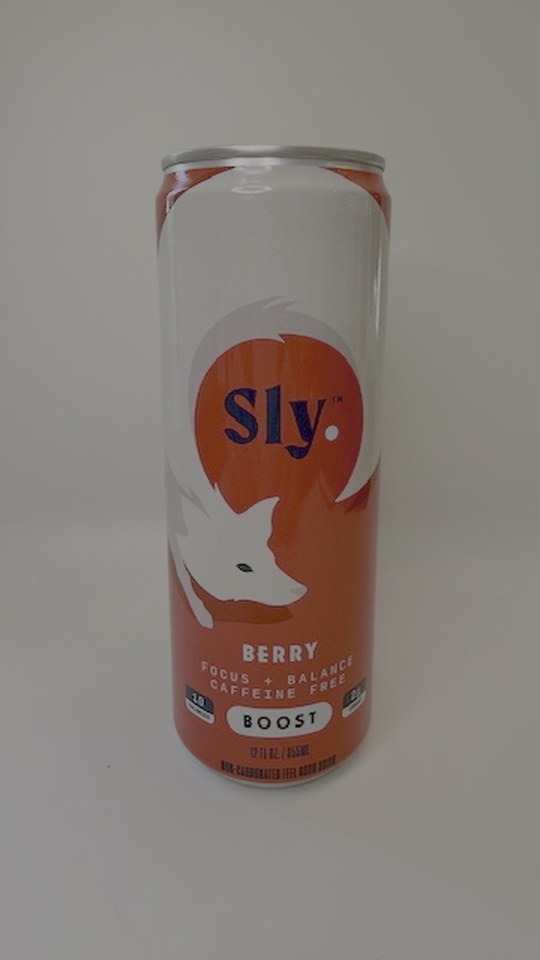
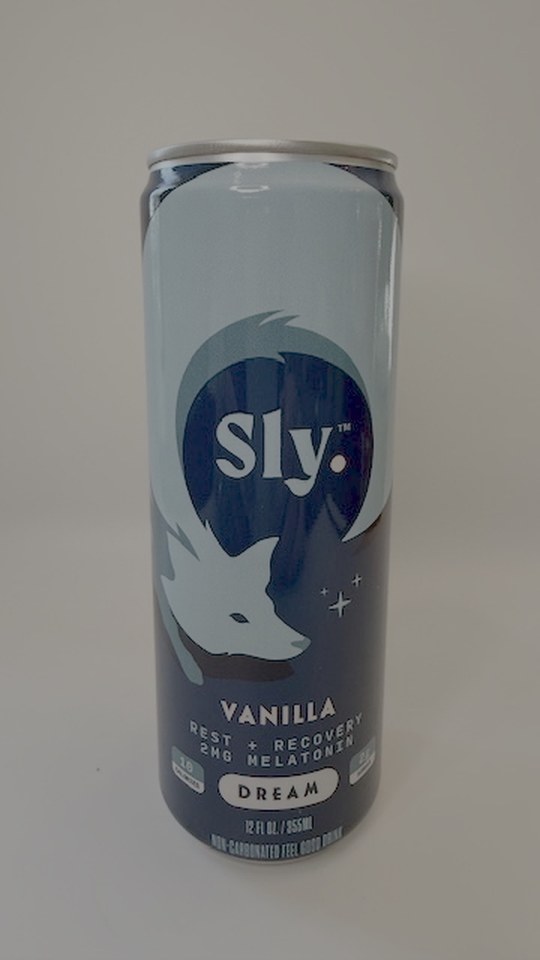
Camping should feel good. Real sleep at the campsite. Clear energy on the morning drive. The kind of weekend campers tell their friends about over a fire pit somewhere else next summer. That's the trip you're selling. The camp store is part of it.
Walk through almost any campground store at 4 P.M. and the cooler tells you what most campers are running on. Five campers in line. Three Monsters. A 24oz Red Bull. Somebody's gas-station coffee. None of that is wrong on its own. But none of it helps the camper sleep that night either.
The math is plain. The average camper hauls in 220 to 280mg of caffeine before sundown (a 16oz Monster is 160mg; a 16oz drip coffee runs about 200mg). Caffeine half-life sits around five hours for most adults. So at 11 P.M., when the fire's out and the kids are finally in bed, that 4 P.M. Monster is still working. About 80mg of it is still in the bloodstream. The 8 P.M. "second wind" coffee? Still pushing 100mg.
The store doesn't decide how anyone sleeps. The camper does. But the camper can only pick from what you stock. Right now most parks only stock one half of the day — the energy side. The other half (the wind-down, the sleep) is missing from the cooler.
What we hear from camp store operators
Most operators we talk to say the same thing. The energy aisle is the highest-margin cooler slot in the store. It's also where the cooler stops earning — nobody comes back from a camping trip raving about the Red Bull they bought. The cans that get talked about (and brought home) tend to be the ones campers can't get at the gas station. The fix isn't a new planogram. It's a different can next to the old ones. The full lineup sits in the catalog.
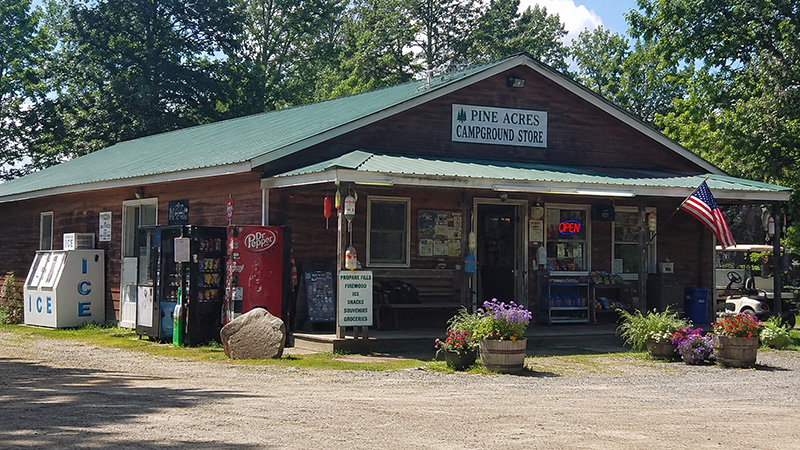
The problem isn't energy. It's the kind.
Coffee built the campground. We're not anti-caffeine. Coffee will keep building it. But a camp store stocked only with stimulants leaves out half of what a camper actually needs across a day on the road.
Sleep at the campsite is the part most parks don't try to help with. Day-after fatigue is the part most morning drives are built around. SLY. doesn't replace coffee. It sits next to it. The "I need something at 4 P.M. but it's too late for caffeine" spot. The "I can't sleep in this RV" spot. Two distinct cans. Two distinct moments. Both already in your guest's day. (You can see the full lineup on the catalog page.)
What's actually in BOOST
(and what's missing)
The functional shelf is loaded with cans that claim natural energy. Most of them list one ingredient and a dust-level dose. BOOST lists every milligram.
| 16oz Monster | 16oz Coffee | SLY. BOOST | SLY. DREAM | |
|---|---|---|---|---|
| Caffeine | 160mg | 200mg | 0mg | 0mg |
| Sugar | 54g | 0g | 1g | 1g |
| Calories | 230 | 5 | 10 | 10 |
| Mechanism | Caffeine + taurine | Caffeine | L-theanine 200mg, KSM-66 ashwagandha, B-complex | Magnesium glycinate 200mg, L-theanine, melatonin 2mg |
| Crash profile | Steep | Moderate | None | N/A |
| Shelf life | 12mo cold | n/a | 18mo ambient | 18mo ambient |
| Wholesale margin | 18–22% | varies | 38–42% | 38–42% |
Three things actually drive purchase in a camp store: caffeine number, sugar number, what's doing the work. SLY. is the only line that shows you all three on the front of the can.
The actives in BOOST
L-theanine, 200mg. The amino acid from green tea. Studied at this dose for focus without arousal. Slows beta-wave activity, raises alpha. In plain English: clear head, no racing heart, no fingers tapping the steering wheel.
KSM-66 ashwagandha. The standardized root extract, not the ashwagandha root powder dust most labels hide behind. Modulates cortisol. Studied in over 60 clinical trials. Your customer who reads labels already knows what this is.
B-complex (B6, B12, B5). The cofactors your liver actually needs to convert what you ate at lunch into ATP at 3 P.M. Most energy drinks slot these in at dust doses. We don't.
Zero caffeine. The thing that surprises every camp store buyer.
DREAM is the can that closes the night
This is the can your campers don't know they need. Until they try it.
Loud neighbors. Hard mattress. Three cups of coffee on the way in. None of that has to wreck the night. DREAM is built for the camper who's already over-caffeinated and still needs to be on the road by 9 A.M.

The actives in DREAM
Magnesium glycinate, 200mg. The bioavailable form. Cheap labels hide behind magnesium oxide (around 8% absorbed). Glycinate runs closer to 80%. Linked in clinical trials to deeper Stage 3 sleep, which is the stage that actually restores the body.
L-theanine, 200mg. Drops time-to-sleep latency. Studied at this exact dose. The same active in BOOST, doing a different job in a different context.
Melatonin, 2mg. Low. Enough to signal. Not enough to leave anyone groggy at 6 A.M. when the birds start. Most over-the-counter melatonin runs 5 to 10mg, which is why your guests wake up feeling worse. We deliberately don't.
DREAM Vanilla goes in the cooler. DREAM Orange Cream sits on the office desk for late check-ins. You'll know within four weekends whether the data matches the testimonial.
A decision matrix for your store
Stocking depth matters more than which cans you carry. Here's the simplest map:
If your park is mostly families with kids under 12, stock DREAM Vanilla first. Parents will quietly become your best customers. The "kid finally went down" sale repeats every Friday and Saturday night you're open.
If you run snowbird or extended-stay, stock both modes in even split. Long stays drive repeat purchase. The same guest will buy BOOST on Tuesday and DREAM on Thursday.
If you're a high-turnover weekend park with drive-through traffic, stock BOOST Berry near the register. The drive-home impulse buy is the highest-velocity SKU in this segment.
If you run a destination park with hiking, water, or biking, stock the full lineup. The use cases stack across the day: morning trail, afternoon lake, evening fire, late check-in. See the RV park program for the recommended starter mix.
Your park gets to be where they meet it.
Most campers haven't tried SLY. yet. That's an opening. The drink someone discovers at your store — brings home, orders online a month later, talks about at the next group trip — is a small but real way your campground keeps showing up in their week past Sunday checkout. The park that introduces a guest to something genuinely better tends to be the one they remember. Not the place that sold them a Monster. The place that didn't.
You can be the hero of that story without ever saying so. The cooler just has to hold the can.
What you're offering when you stock SLY.
Three things change when one cooler-foot of energy drink becomes one cooler-foot of SLY.:
- What the camper takes home: a can with ingredients they can pronounce, no caffeine crash, and a wind-down option for the night. The kind of drink they'll mention to a friend before they mention your park.
- Basket composition: the drink becomes a second or third item in the basket, not a standalone. Functional cans pair well with firewood, snacks, and morning coffee.
- Margin per cooler-foot: 38 to 42% standard wholesale margin on SLY., versus the commodity 18 to 22% on energy drinks. Same square inch. Roughly twice the take.
We can't promise anything about sleep or focus from across the country. We can put 200mg of L-theanine, KSM-66 ashwagandha, and B-complex in a can called BOOST, and 2mg of melatonin and 200mg of magnesium glycinate in a can called DREAM. The next eight hours are still up to the camper. The cooler just gives them a better option than the one they brought from the gas station.
Stock the can your campers will thank you for. The trip does the rest.